

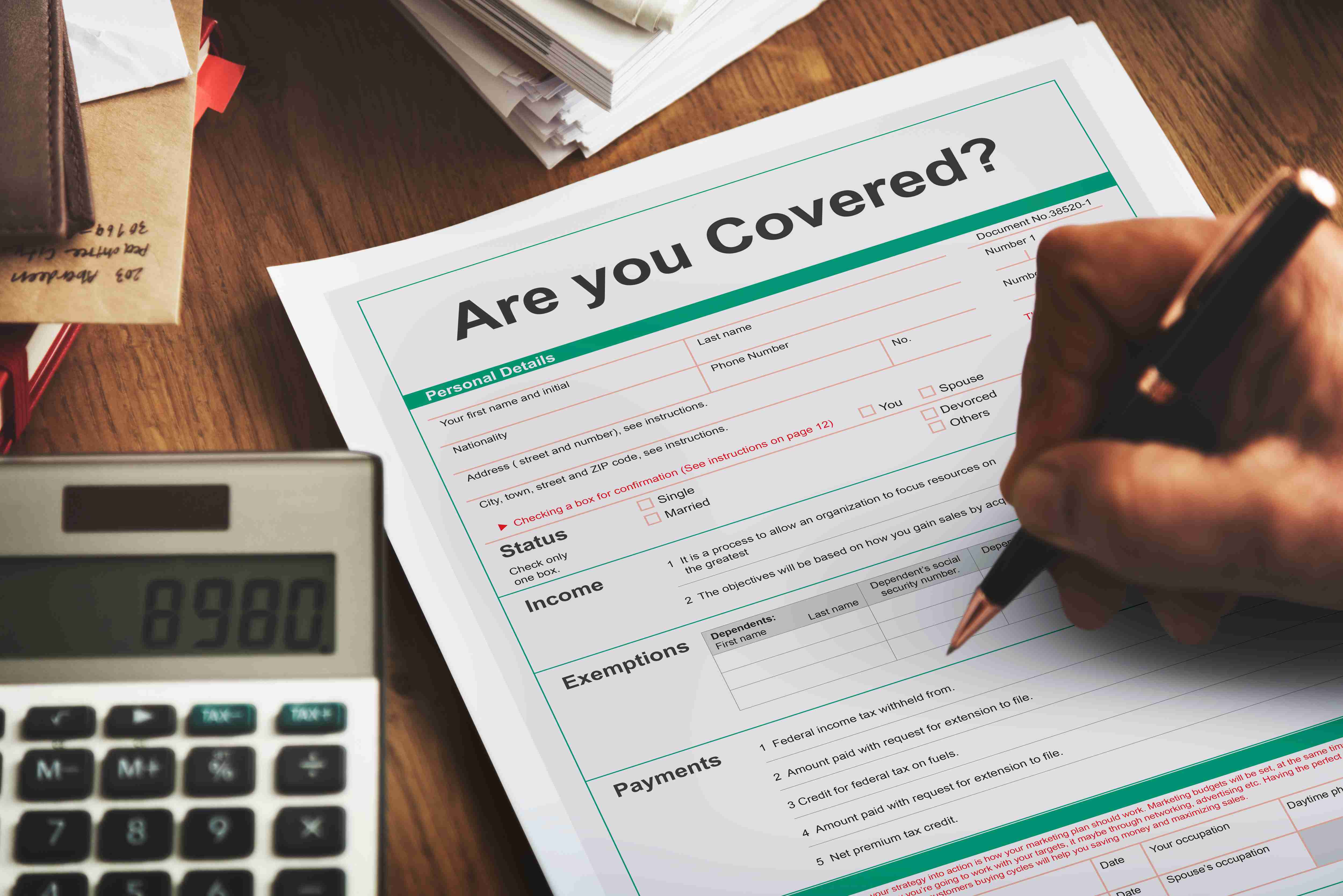
Liability vs. Full Coverage: Which Policy Do You Actually Need?
When shopping for auto insurance, one of the biggest decisions drivers face is choosing between liability coverage and full coverage. Both policies protect you in different ways, and understanding the difference is essential for making the right choice for your budget, vehicle, and driving needs.
Liability insurance is the most basic form of coverage required by law in almost every state. It protects you financially if you cause an accident that injures someone or damages their property. Full coverage, on the other hand, is a more comprehensive option that includes liability plus additional protections for your own vehicle, regardless of fault.

What Liability Insurance Covers
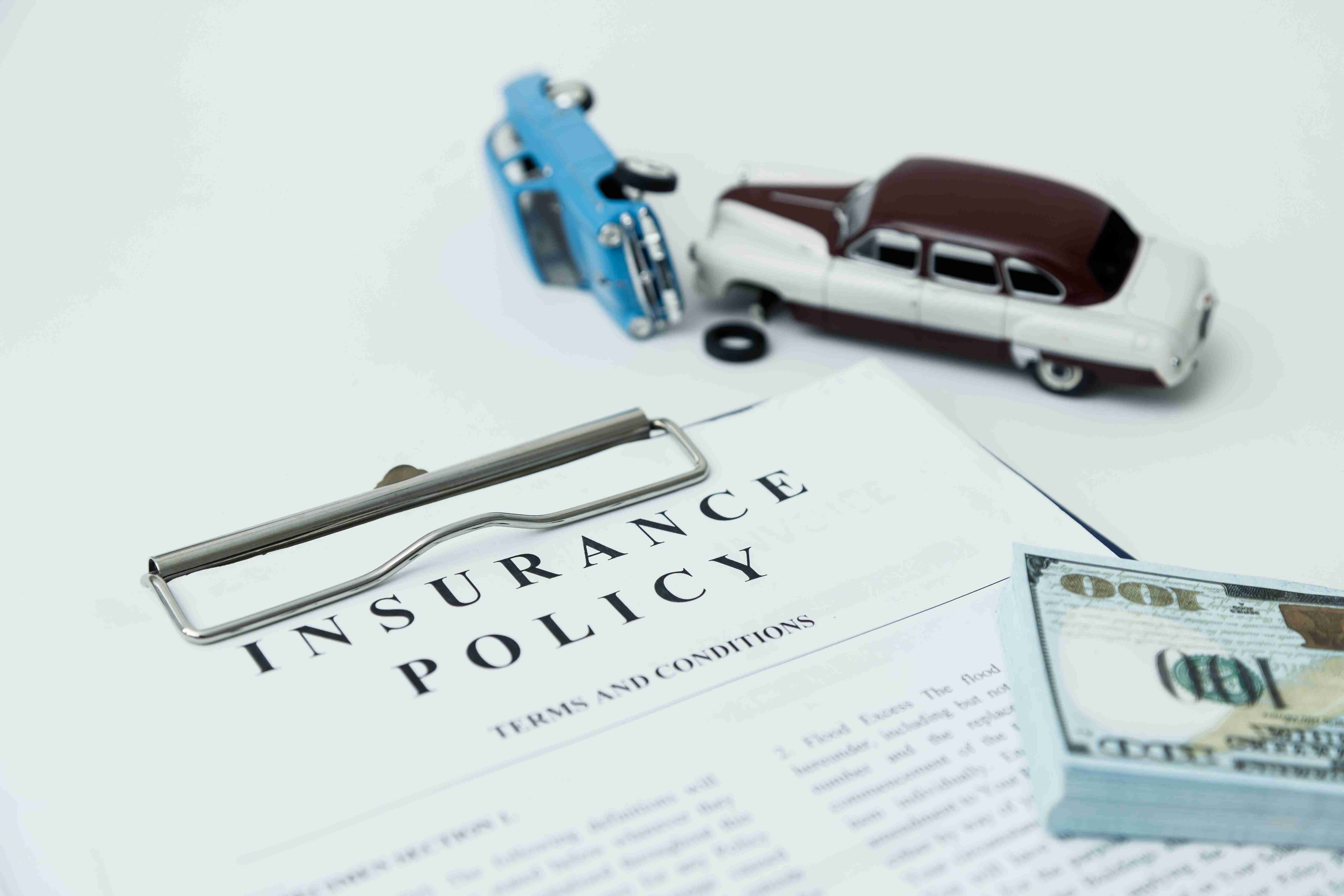
Liability insurance is made up of two parts: bodily injury liability and property damage liability. These cover the costs of medical expenses, repairs, and legal fees if you are found at fault for an accident. It does not, however, cover damage to your own vehicle or injuries to yourself. For drivers with older cars or those on a tight budget, liability may seem like an affordable option.
Liability coverage protects others from the costs of an accident you cause but it does not protect your own car or medical bills.
What Full Coverage Includes
Full coverage is not a single type of insurance but rather a combination of protections. It generally includes liability, collision, and comprehensive insurance. Collision coverage pays to repair or replace your car if it’s damaged in an accident, while comprehensive coverage protects against non-collision incidents like theft, vandalism, or natural disasters. This makes full coverage especially valuable for newer or financed vehicles.
When Liability Might Be Enough
If your car is older and has a low market value, paying extra for full coverage may not make financial sense. In these cases, the cost of full coverage premiums could exceed what your car is worth. Drivers who can afford to replace or repair their car out of pocket may also choose liability-only coverage to keep premiums lower.
When Full Coverage Is the Smarter Choice
Full coverage is typically recommended for drivers with newer cars, leased vehicles, or cars that still have outstanding loans. Lenders often require full coverage as part of the financing agreement. Additionally, if you drive frequently or live in an area with high accident or theft rates, the extra protection may be worth the cost for peace of mind.
Cost Differences Between Liability and Full Coverage
Liability-only policies are usually the cheapest option since they cover less. Full coverage policies can cost significantly more, but the value lies in the broader protection they provide. To make the best decision, consider the value of your vehicle, your budget, and how much risk you are willing to assume personally.
Making the Right Choice
There is no one-size-fits-all answer to whether liability or full coverage is better. The right policy depends on your personal situation. If you are driving a brand-new car, full coverage may be essential. If your car is older and paid off, liability may be sufficient. The key is to weigh the potential savings on premiums against the possible financial burden of an accident.
Final Thoughts
Auto insurance is not just about meeting state requirements it’s about protecting your financial stability on the road. Liability coverage ensures you comply with the law and protect others, while full coverage gives you broader protection that can save you from major out-of-pocket expenses. Before deciding, compare quotes, evaluate your vehicle’s value, and think carefully about what level of protection gives you confidence every time you drive.